Dry January • These plants take on the challenge!
Dry January is a well-known international campaign with the aim of becoming more alcohol conscious. Evanthia likes to take this inspiring initiative a little wider this month: being more conscious about water and watering our indoor and garden plants in particular. Climate change is affecting our weather patterns and making them more extreme, as well as making natural resources more limited. It requires changes in our behaviour, more efficient water use and making different choices when making purchases.
In January, we highlight the plants that can withstand heat and sunlight, and continue to perform well in dry conditions. It might be cold and wet outside now, but if you plant them in time, you can surprise your customers with a robust product range in the dry summer months.
Drought dilemma?
Ever heard of a Xerophyte? No, this is not the latest mixed drink... Xerophytes are plants adapted to conditions where little moisture is available. For these plants, drought doesn't have to be a problem at all. They have developed clever ways to withstand longer periods of drought, for exampleby:
• Leaf surface and texture: plants with a hairy or waxy coating, with smaller leaf surfaces or fewer stomata per km2 minimise water loss through limited perspiration.
• Root structure: plants with deep, extensive root systemscan access water that is stored deeper in the soil.
• Water storage: some plants have the ability to store lots of water in tissues of the roots, trunk, stems or leaves. They can make doses of the stored water and endure longer without watering.
• Dormancy: certain plants go into a kind of sleepy mode during three periods, either halting growth or shedding their leaves to conserve the little moisture available to survive.
There are plenty of plants that possess one of these (or a combination of) properties, so there is lots to choose from! Before we go intodetail about suitable, beautiful plants to go with this theme, we'd like to give you some extra motivation to choose drought stunners.
Warning! Side effects may include:
• Environmental benefits: water savings, soil improvement by preventing erosion and restoring stability, and supporting biodiversity.
• Benefits for plant lovers, gardeners and landscape designers: less watering means less maintenance, often more robust plants that also require less fertilization and crop protection, lots of variety possible as long as you know what to choose, cost-effective due to water saving and low maintenance.


Save the date!
For years, the Trade Fair Aalsmeer has been considered the must-attend networking and inspiration event for the floriculture industry.
This year, the fair will take place from November the 3rd till November the 5th, 2026.
Who is the Trade Fair Aalsmeer for?
Professionals from home and abroad who visit the fair for inspiration, collaboration and market intelligence:
- Professional buyers of flowers and plants: such as exporters,
wholesale, retailers, garden centers, florists, and designers - Growers
- Suppliers and service providers within the floriculture supply chain
- Press and media
- Networkers and innovators: anyone looking to be inspired and connected by the floriculture sector
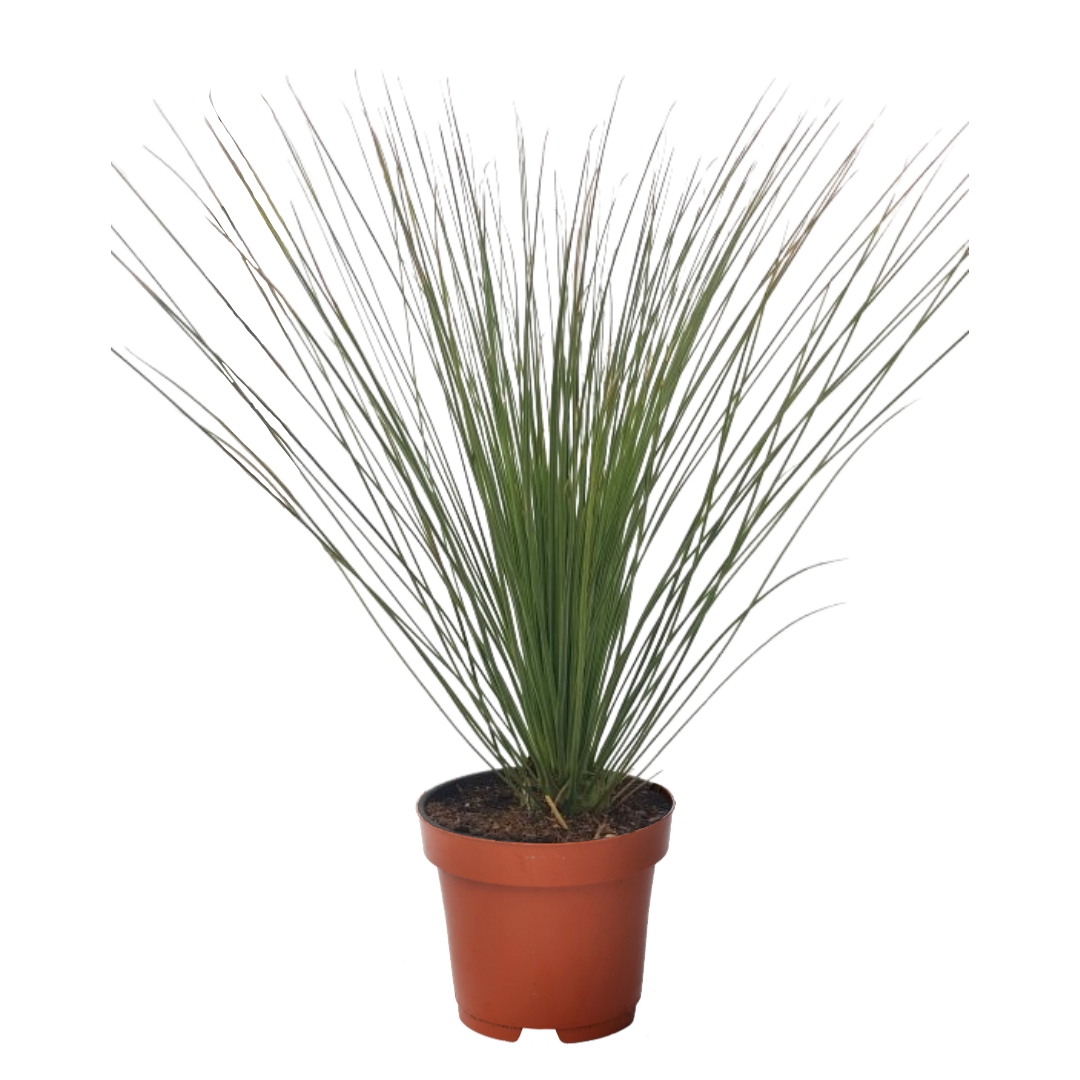
Drought-tolerant plants are becoming increasingly important for growers
Less water, same quality
In various production regions, pressure on available water resources is increasing. As a result, growers are actively seeking crops that use water more efficiently without compromising on quality, uniformity, and ornamental value.
"We observe that growers are increasingly requesting varieties that maintain stable performance under challenging conditions. This is not only due to regulations but also because their customers are more explicitly demanding it."