Now available: Dypsis seeds
Properties
Botanical name:
Dypsis lutescens
Dutch name:
Gold Palm; Areca Palm; Bamboo Palm
Family:
Arecaceae
Product group:
Dypsis
Product group:
Air purifying
Subtropical
Tropic
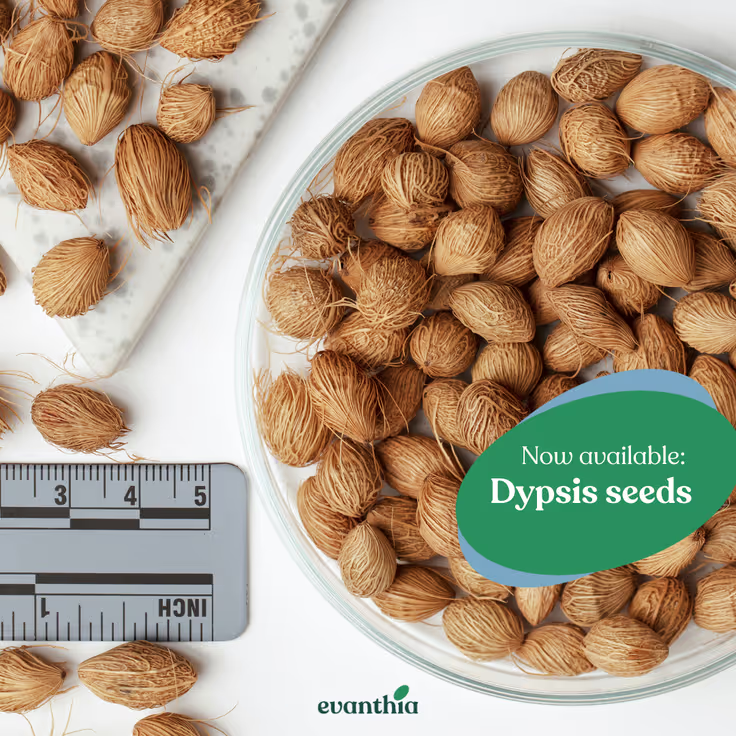
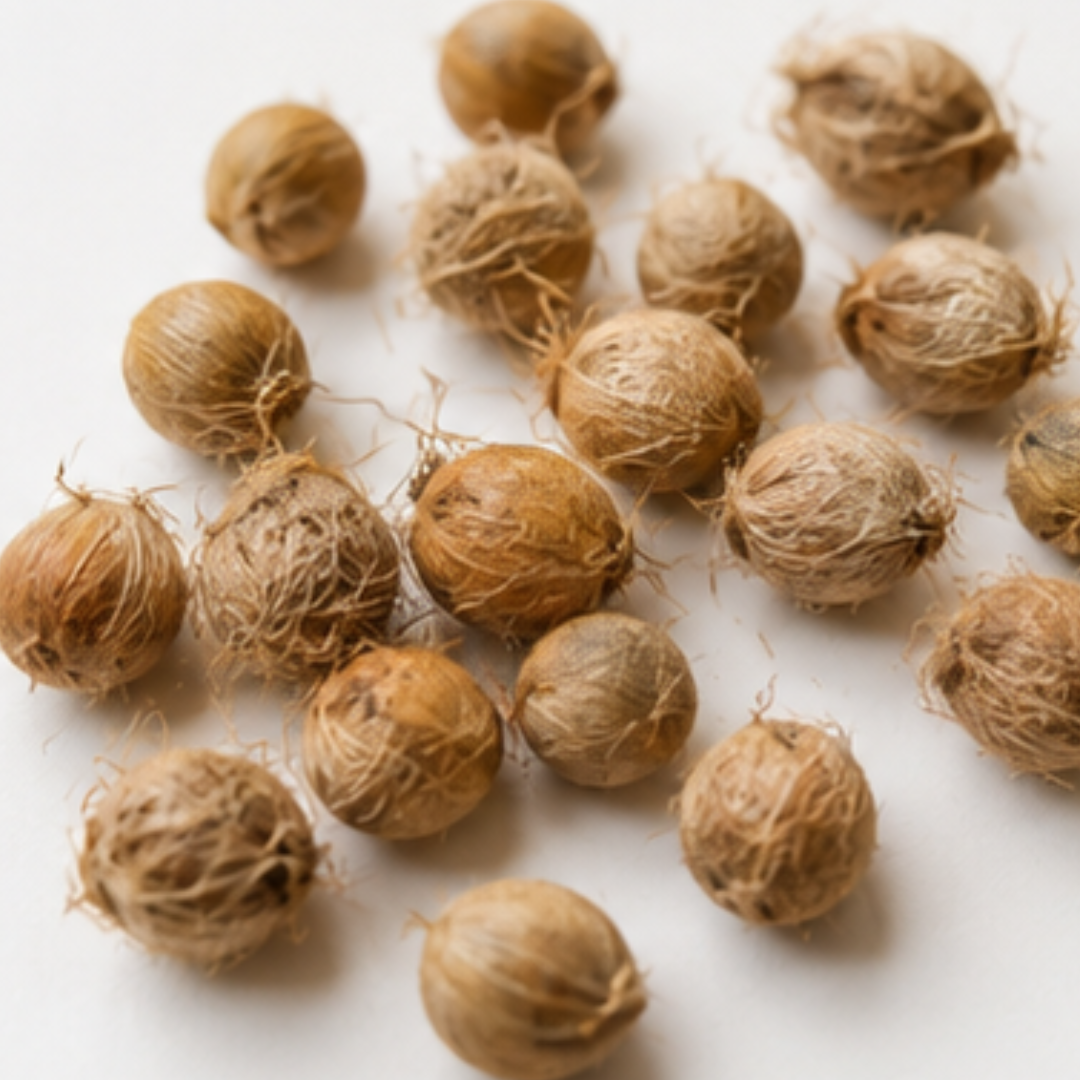
Dypsis lutescens, or the Golden Palm, is a popular, strong indoor palm with rapid growth and air-purifying qualities. This multi-stemmed palm produces clusters of erect, bamboo-like stems and elegant, fresh green feathery leaves. Dypsis originates in Madagascar, where it grows in humid rainforests and on hillsides and river beds. Other internationally used names for Dypsis lutescens include: Areca Palm, Bamboo Palm, Golden Cane Palm, or Butterfly Palm. Evanthia periodically has fresh seeds of Dypsis lutescens available for commercial production. Average number of Dypsis lutescens seeds per kilo: 1,600
If you are interested, you can submit your orders and requests via sales.tropical@evanthia.nl




Save the date!
For years, the Trade Fair Aalsmeer has been considered the must-attend networking and inspiration event for the floriculture industry.
This year, the fair will take place from November the 3rd till November the 5th, 2026.
Who is the Trade Fair Aalsmeer for?
Professionals from home and abroad who visit the fair for inspiration, collaboration and market intelligence:
- Professional buyers of flowers and plants: such as exporters,
wholesale, retailers, garden centers, florists, and designers - Growers
- Suppliers and service providers within the floriculture supply chain
- Press and media
- Networkers and innovators: anyone looking to be inspired and connected by the floriculture sector

Drought-tolerant plants are becoming increasingly important for growers
Less water, same quality
In various production regions, pressure on available water resources is increasing. As a result, growers are actively seeking crops that use water more efficiently without compromising on quality, uniformity, and ornamental value.
"We observe that growers are increasingly requesting varieties that maintain stable performance under challenging conditions. This is not only due to regulations but also because their customers are more explicitly demanding it."