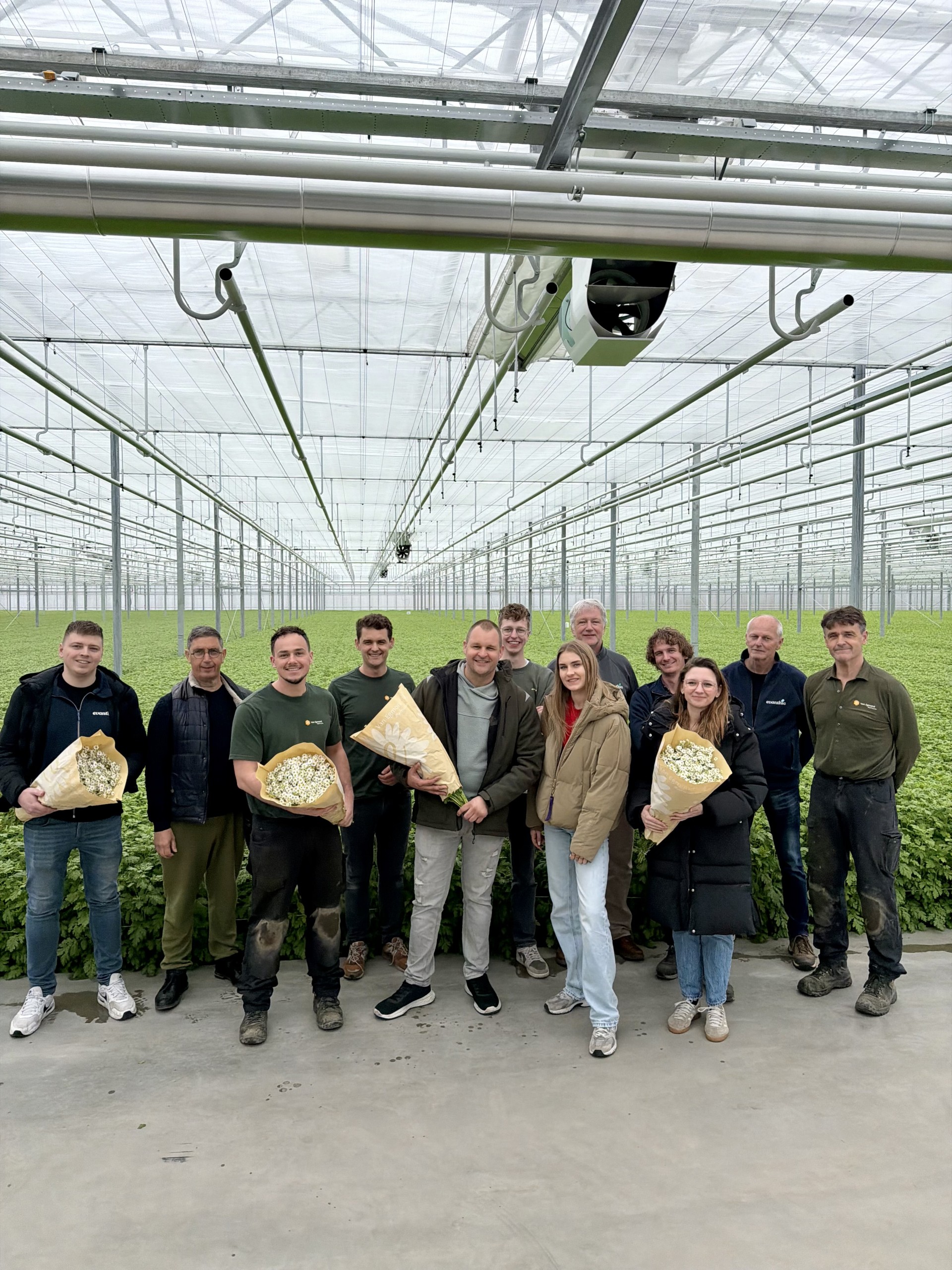
This morning we were invited to Van Egmond Matricaria to take a look at their new greenhouse.
Nice to see how this step — after an intensive process of planning and building — has become a reality.
A forward-looking investment that focuses on sustainability and efficiency.
We are proud of the great cooperation with Van Egmond and look forward to continuing it in the future 🌱

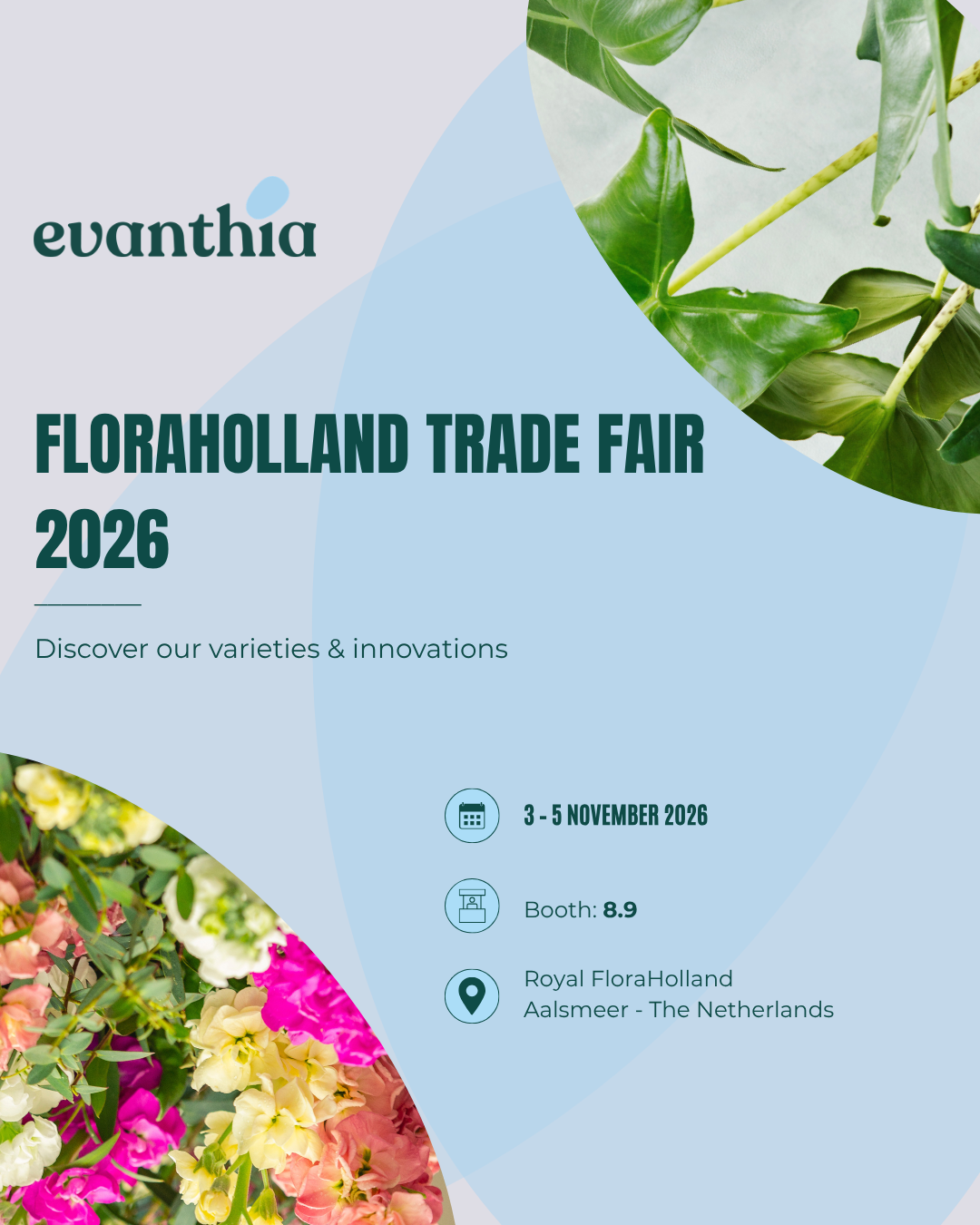
Save the date!
For years, the Trade Fair Aalsmeer has been considered the must-attend networking and inspiration event for the floriculture industry.
This year, the fair will take place from November the 3rd till November the 5th, 2026.
Who is the Trade Fair Aalsmeer for?
Professionals from home and abroad who visit the fair for inspiration, collaboration and market intelligence:
- Professional buyers of flowers and plants: such as exporters,
wholesale, retailers, garden centers, florists, and designers - Growers
- Suppliers and service providers within the floriculture supply chain
- Press and media
- Networkers and innovators: anyone looking to be inspired and connected by the floriculture sector
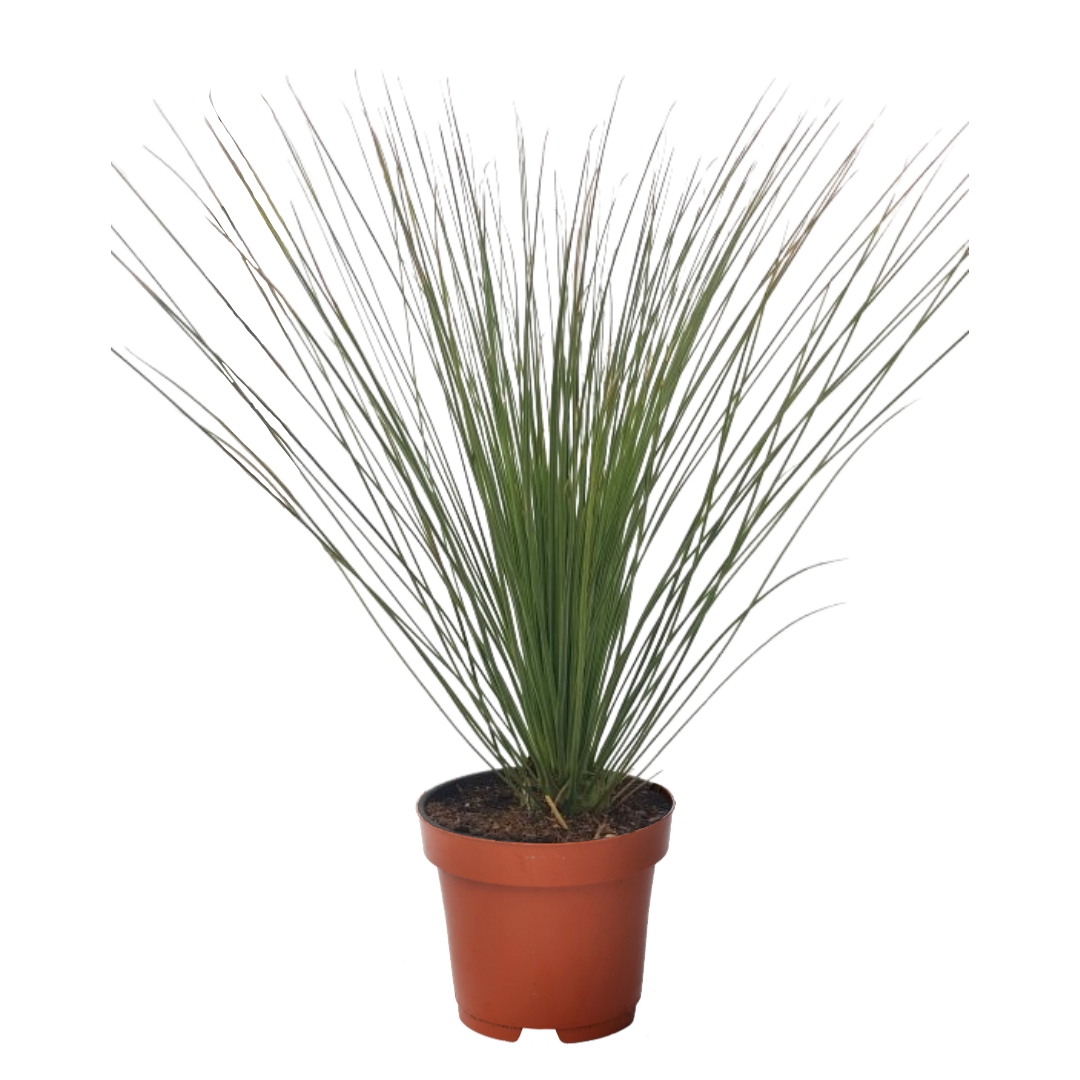
Drought-tolerant plants are becoming increasingly important for growers
Less water, same quality
In various production regions, pressure on available water resources is increasing. As a result, growers are actively seeking crops that use water more efficiently without compromising on quality, uniformity, and ornamental value.
"We observe that growers are increasingly requesting varieties that maintain stable performance under challenging conditions. This is not only due to regulations but also because their customers are more explicitly demanding it."