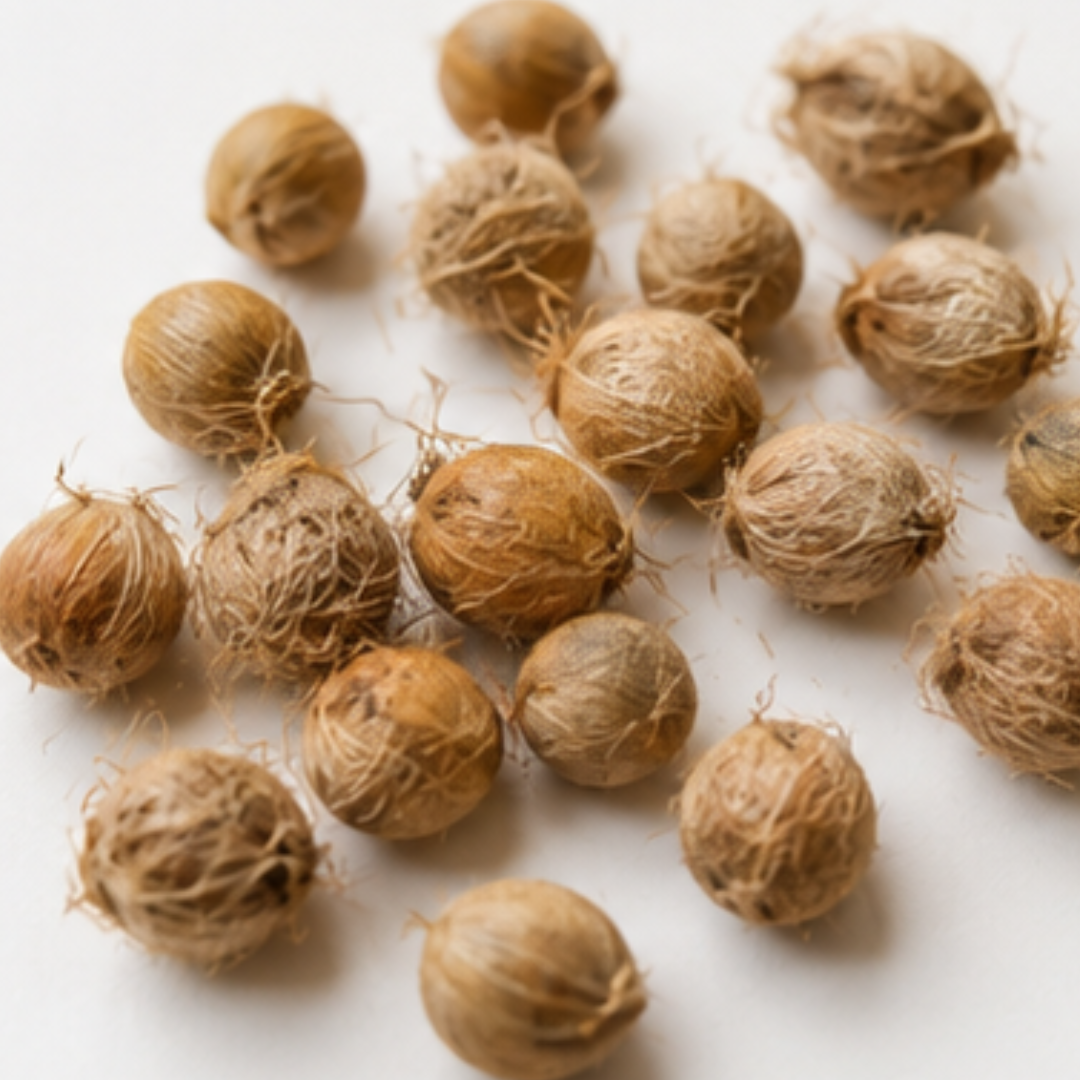
Wildly attractive: Yucca for your drought-resistant range
Summers are getting warmer, extremes are increasing, rainfall is more unpredictable. More and more regions are experiencing prolonged periods of drought and stricter water use requirements. For professional growers, this development also offers opportunities — if you respond to developments with the right crop choice. And that's where Yucca comes into the picture.
.avif)
Rock-solid, stylish and surprisingly versatile
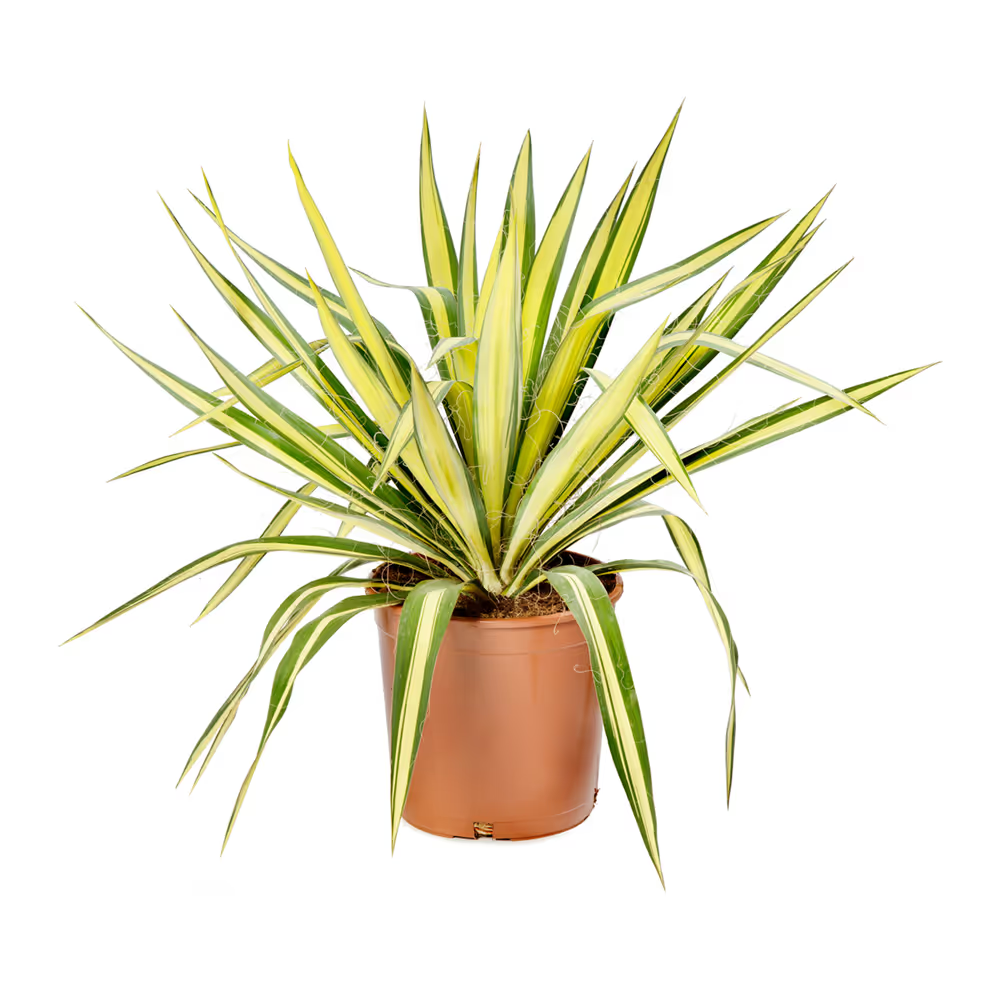
Yucca has long been no stranger to the world of ornamental plants, but is now in the spotlight more than ever. With its robust, architectural appearance and exceptional drought tolerance, this desert dweller is the plant of the future. Yucca also has a wide range of uses: think of rock gardens, modern urban gardens, low-maintenance beds, Mediterranean containers or large pots on roof terraces. Yucca is hardy, drought tolerant, very robust and yet remarkably stylish.
At Evanthia, you will find three powerful varieties, each with their own qualities:
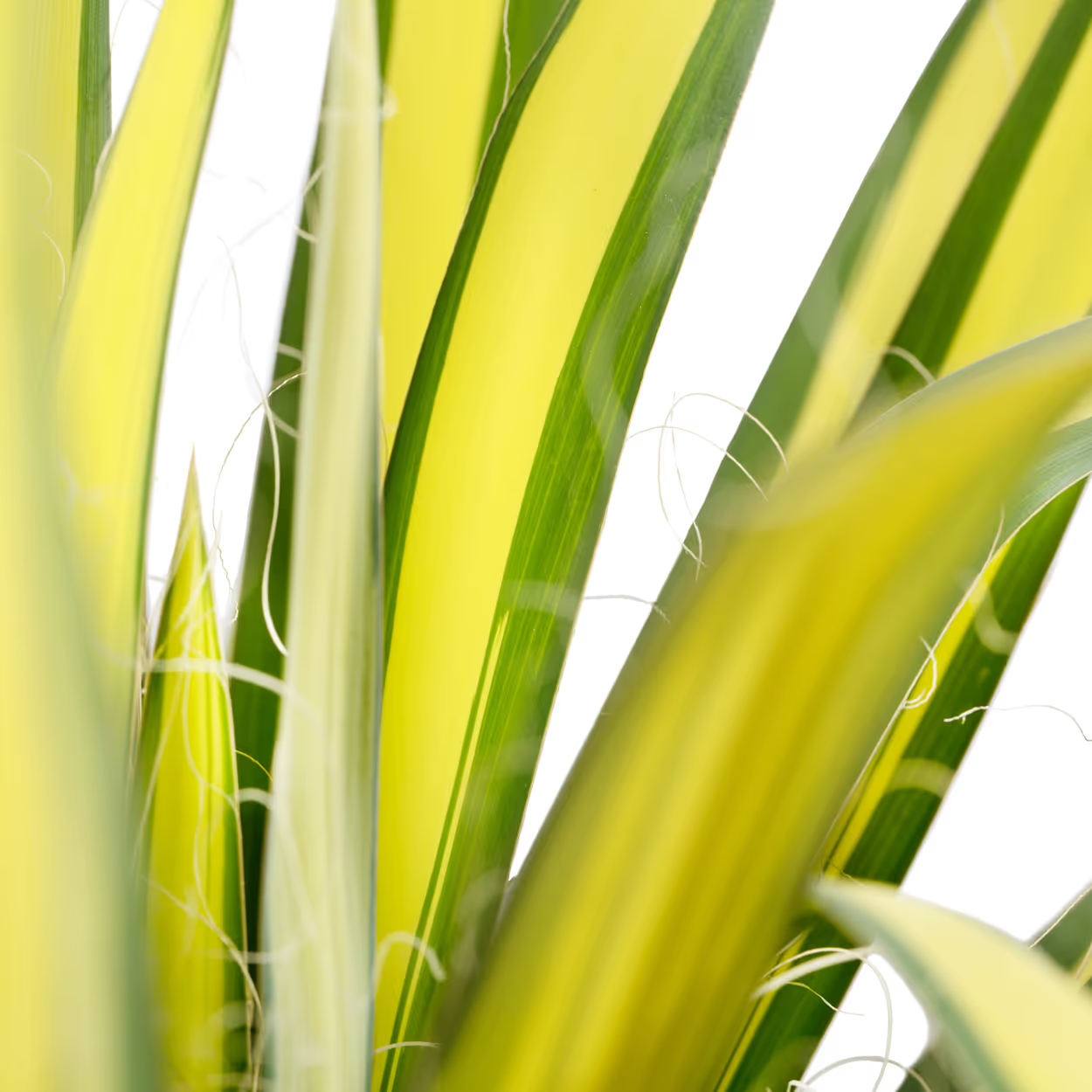
- Yucca filamentosa Color Guard (tissue culture): a compact grower with distinctive yellow leaves and an elegant flower.
- Yucca gloriosa Variegata (tissue culture): elegant, variegated leaves, hardy and forms a stem over time.
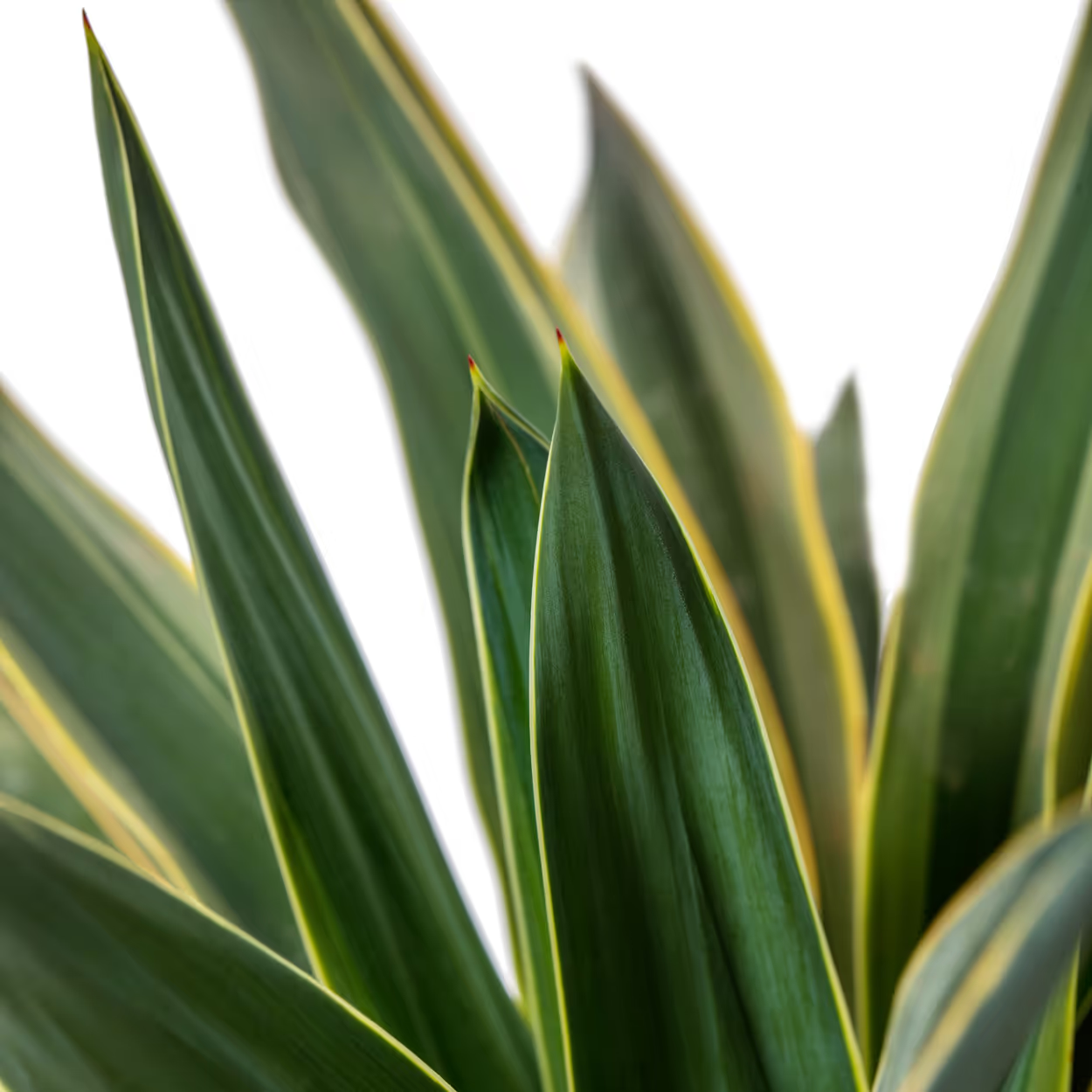
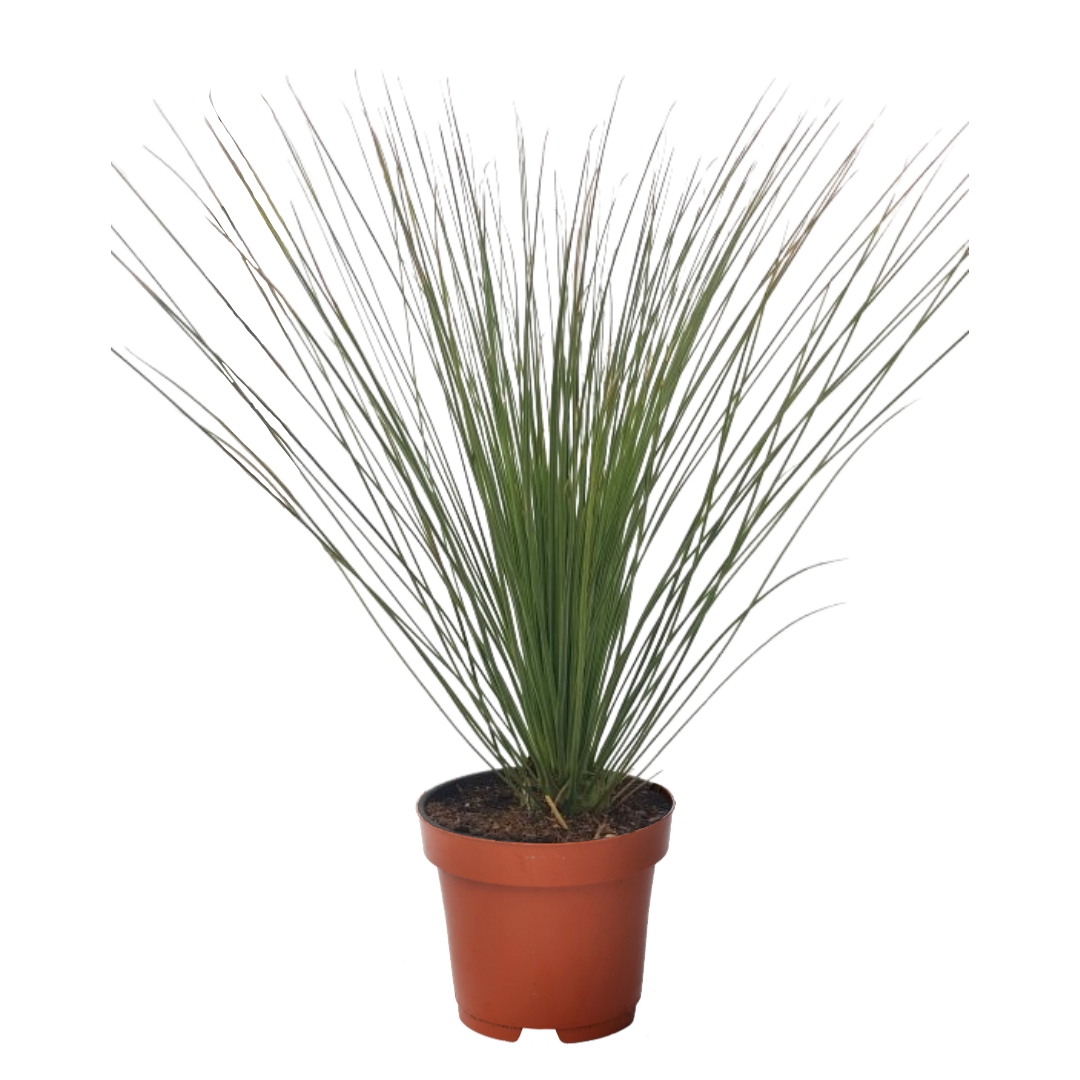
- Yucca rostrata (seed): a striking eye-catcher with narrow, blue-grey leaves and a thick stem — can form clusters of white bell-like flowers in summer
Smart combination for a strong story
Yucca shines solo, but also combines perfectly with other drought-tolerant toppers—both in application and cultivation. Yucca has a relatively slow growth rate and requires a light and dry cultivation climate, in combination with a well-draining substrate. In regions such as Southern Europe, they are often grown outdoors. For an efficient cultivation plan and a strong marketing strategy, it is smart to combine Yucca with crops that have similar needs. Think of Eucalyptus, Ravenala, and Aloe species that thrive under similar conditions. This is how you build sales concepts in a assortment-oriented way that respond to the growing demand for climate-proof greenery.


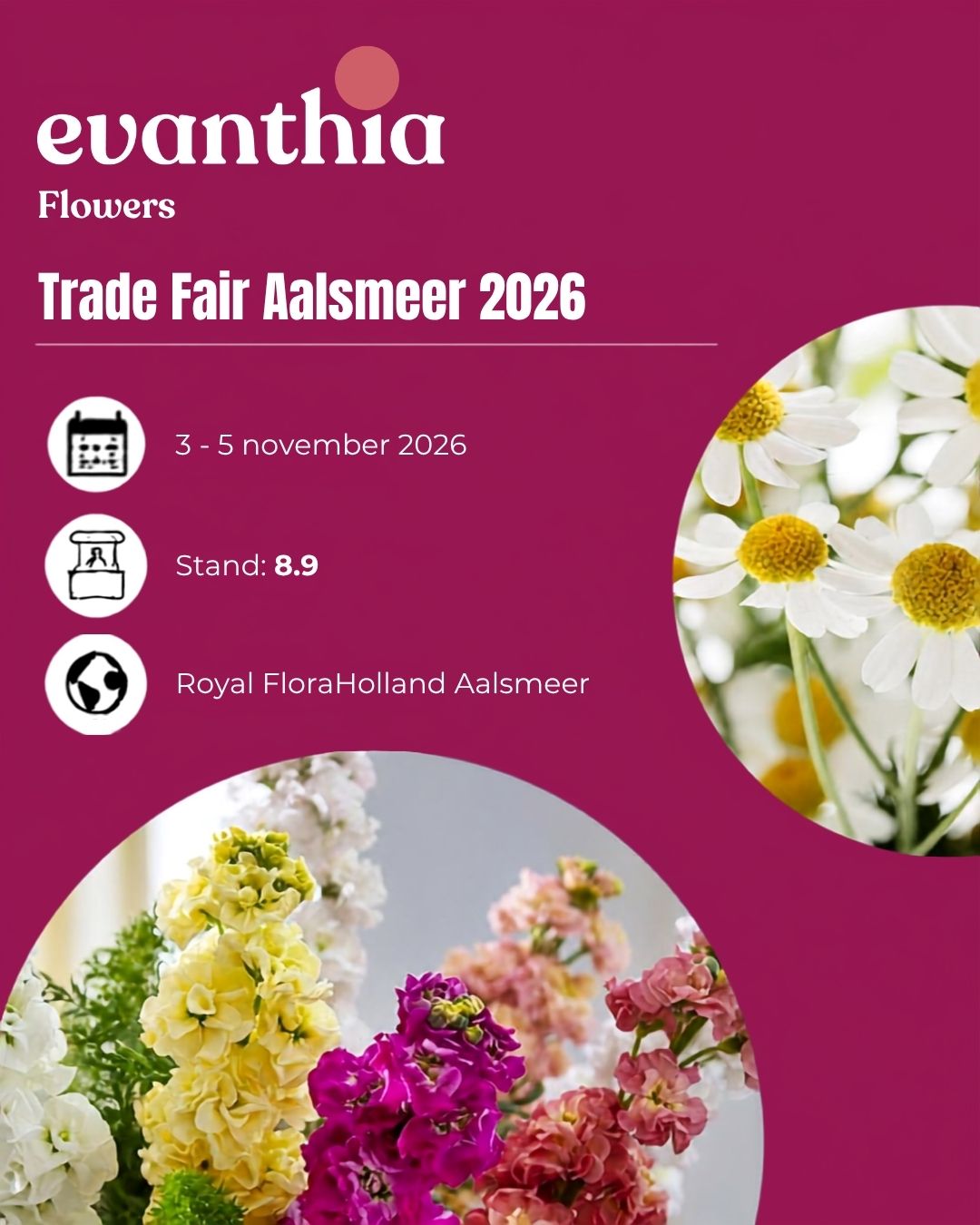
Save the date!
For years, the Trade Fair Aalsmeer has been considered the must-attend networking and inspiration event for the floriculture industry.
This year, the fair will take place from November the 3rd till November the 5th, 2026.
Who is the Trade Fair Aalsmeer for?
Professionals from home and abroad who visit the fair for inspiration, collaboration and market intelligence:
- Professional buyers of flowers and plants: such as exporters,
wholesale, retailers, garden centers, florists, and designers - Growers
- Suppliers and service providers within the floriculture supply chain
- Press and media
- Networkers and innovators: anyone looking to be inspired and connected by the floriculture sector
Drought-tolerant plants are becoming increasingly important for growers
Less water, same quality
In various production regions, pressure on available water resources is increasing. As a result, growers are actively seeking crops that use water more efficiently without compromising on quality, uniformity, and ornamental value.
"We observe that growers are increasingly requesting varieties that maintain stable performance under challenging conditions. This is not only due to regulations but also because their customers are more explicitly demanding it."